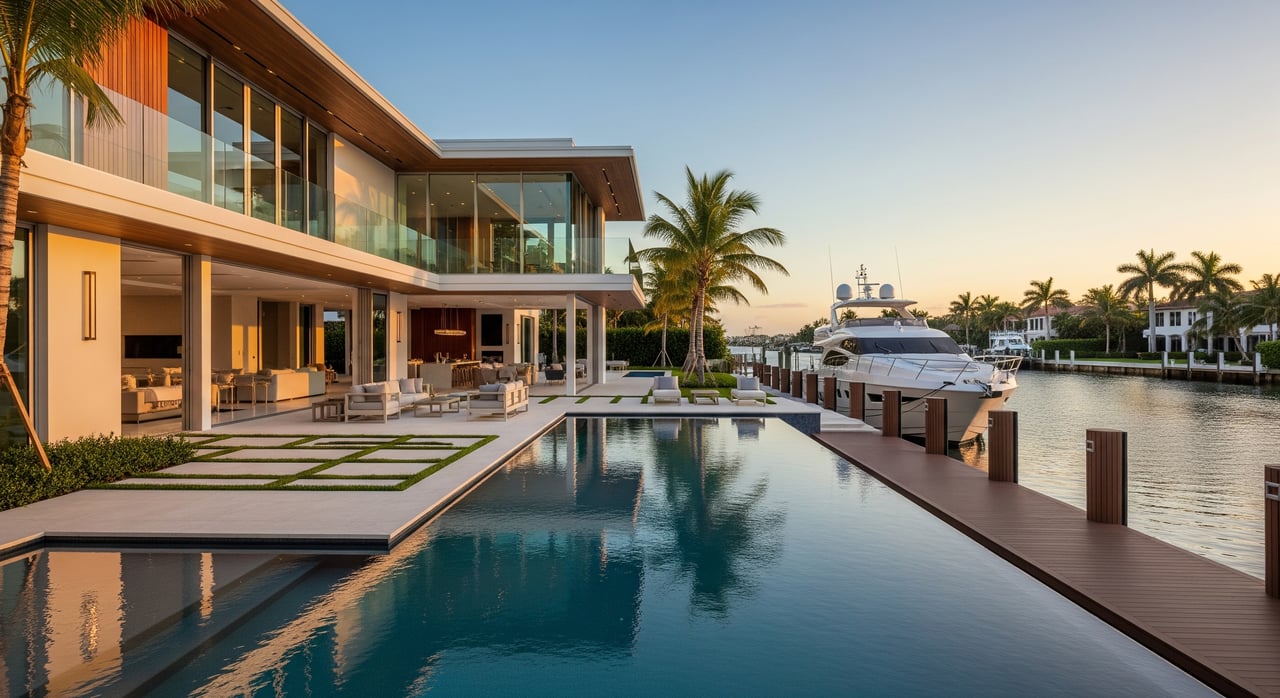
What It’s Like To Live In Fort Lauderdale
February 5, 2026
February 5, 2026
Wondering what day-to-day life in Fort Lauderdale really feels like? If you picture sunny mornings, a quick hop to the beach, and easy access to arts, dining, and the water, you’re on the right track. Whether you plan to live here year-round or split time seasonally, you’ll find a mix of condo living, quiet canal neighborhoods, and lively downtown pockets to fit your style. In this guide, you’ll learn how neighborhoods differ, what housing looks like, how people get around, and what to know about climate and flood risk so you can decide if Fort Lauderdale is a match for your goals. Let’s dive in.
You live close to the water here. Canals thread through many neighborhoods, the beach is a regular backdrop, and weekend plans often involve boating, biking, or trying a new restaurant along Las Olas Boulevard. The vibe is relaxed but active, and you can choose from urban energy near downtown or quieter residential streets a bit inland.
The area supports both full-time residents and seasonal snowbirds. You’ll find everyday services in nearly every neighborhood, with denser clusters of dining, culture, and nightlife in downtown and beach corridors. Many residents also commute around Broward County and into neighboring counties for work, which shapes how you choose your location.
Las Olas Boulevard is the city’s leisure spine with restaurants, boutiques, galleries, and easy access to the beach. Downtown and the beachfront offer a mix of mid and high-rise condos, hotels, and entertainment. You choose this area for walkability, dining and nightlife, and the shortest path to the sand.
Flagler Village and the nearby FATVillage arts district blend lofts, new condos, breweries, and creative spaces. Victoria Park offers leafy streets with renovated older homes and modern infill. These neighborhoods appeal if you want an urban-edge feel close to downtown without beachfront pricing.
These canal-rich neighborhoods feature tree-lined streets and single-family homes, including many with private docks. You’ll see a mix of historic houses and updated residences, with Coral Ridge and nearby areas including larger, established homes. It is a quieter, more residential lifestyle for those who value space and boating access.
This cluster includes some of Broward County’s most exclusive waterfront addresses. Expect privacy, marina access, and larger lots, often behind gates. If you want luxury waterfront living with direct ocean and Intracoastal access, this is a strong fit.
Just north of Fort Lauderdale, Wilton Manors offers a lively, walkable main street on Wilton Drive with a strong sense of community. Oakland Park has a growing scene of craft breweries and restaurants and a mix of older homes and new projects. Many Fort Lauderdale residents work, dine, and socialize across these nearby city lines.
Move west from the beach and you’ll find townhomes, suburban single-family neighborhoods, and planned communities. These areas are generally more car-dependent, with easier parking and quieter streets but longer drives to the ocean.
Fort Lauderdale’s housing mix gives you options depending on budget, maintenance preferences, and proximity to the water.
Prices vary widely by neighborhood and property type and are generally above the U.S. median. Condos make up a large share near the beach and downtown. If you buy a condo, include HOA fees in your monthly budget and check what the building’s master insurance covers. For coastal or canal-front property, plan for wind and flood insurance, hurricane preparedness upgrades, and potential maintenance for docks and seawalls.
Fort Lauderdale has a strong seasonal population and an active vacation rental market. Municipalities regulate short-term and transient rentals, and rules can change. Before purchasing, confirm city licensing requirements, HOA rental policies, and minimum lease terms, especially if you plan to offset costs with rental income or want flexibility for seasonal use.
Major roads include I-95 running north-south, I-595 connecting east-west to I-75 and the Turnpike, U.S.-1 through the urban core, and A1A along the coast. Peak-hour congestion is common on I-95 and I-595. Typical commute times in Broward County often fall in the mid 20s to low 30s minutes one way, with big variations by route and time of day.
Transit options include Broward County Transit local buses, Tri-Rail for regional commuter service, and Brightline connecting Fort Lauderdale with Miami, West Palm Beach, and Orlando. Sun Trolley and circulators serve key downtown and beach corridors. Bikeability improves in parts of downtown, Las Olas, and Flagler Village, but many inland neighborhoods are car-oriented.
If you travel often, Fort Lauderdale–Hollywood International Airport sits close to downtown and provides domestic and international service. Port Everglades is a major cruise and cargo hub and a significant local employer.
You get a warm, semi-tropical climate with a distinct wet season from late spring through early fall and mild, drier winters. Summer highs often reach the 80s and 90s, while winter lows are typically in the 50s and 60s. Hurricane season runs from June 1 to November 30, so storm planning is part of life here.
Fort Lauderdale is low-lying with an extensive canal network, and some areas experience high-tide or nuisance flooding. Flood insurance is commonly required for properties in FEMA flood zones, and many owners choose it even outside mapped floodplains. When you evaluate a property, ask for elevation certificates, review local flood maps, and factor in building features like impact-rated windows, shutters, roof condition, and the elevation of mechanical systems.
If you love the water, Fort Lauderdale is a standout choice. The canal network, ocean access, and marinas make it attractive for both recreational boaters and marine professionals. Private docks and seawalls bring convenience but also maintenance responsibilities, and slip availability can be limited in premium areas. The annual Fort Lauderdale International Boat Show draws a global crowd and puts the marine economy front and center.
Cultural anchors include the Broward Center for the Performing Arts, NSU Art Museum Fort Lauderdale, and the FATVillage arts district. Las Olas Boulevard mixes galleries, boutiques, and restaurants with frequent weekend events. Outdoors, you have miles of public beaches, plus nearby preserves like Hugh Taylor Birch State Park and the Anne Kolb Nature Center for kayaking, trails, and wildlife viewing.
Choose Fort Lauderdale if you want a beach-city lifestyle with real variety in neighborhoods and housing. You can live car-light near the core or stretch out in a quieter, canal-front area with space for a boat. Seasonal residents find flexible options too, as long as they confirm HOA rules and local rental regulations.
Before you buy, build a simple game plan:
When you know your priorities, the right neighborhood profile usually becomes clear.
Ready to compare options, run the numbers, or coordinate a smooth move to South Florida? Let a responsive advisor help you plan with confidence. Connect with Marlene Harrison - FL to talk next steps.
Stay up to date on the latest real estate trends.

Real Estate
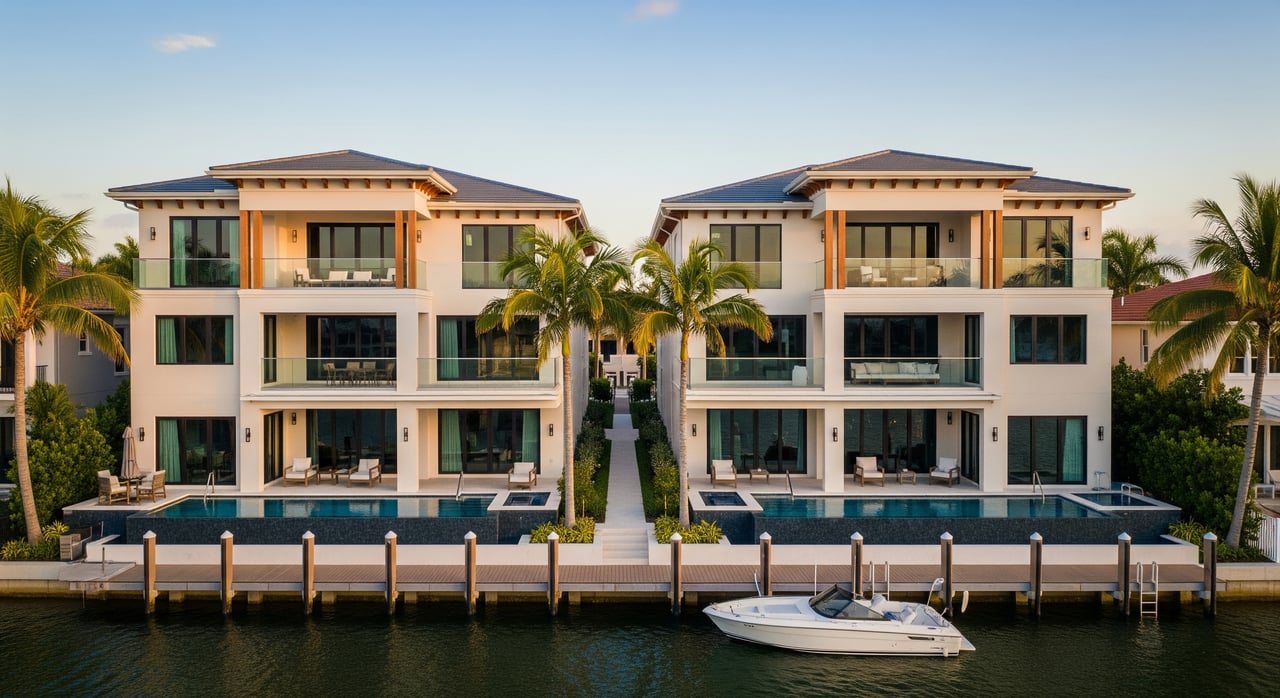
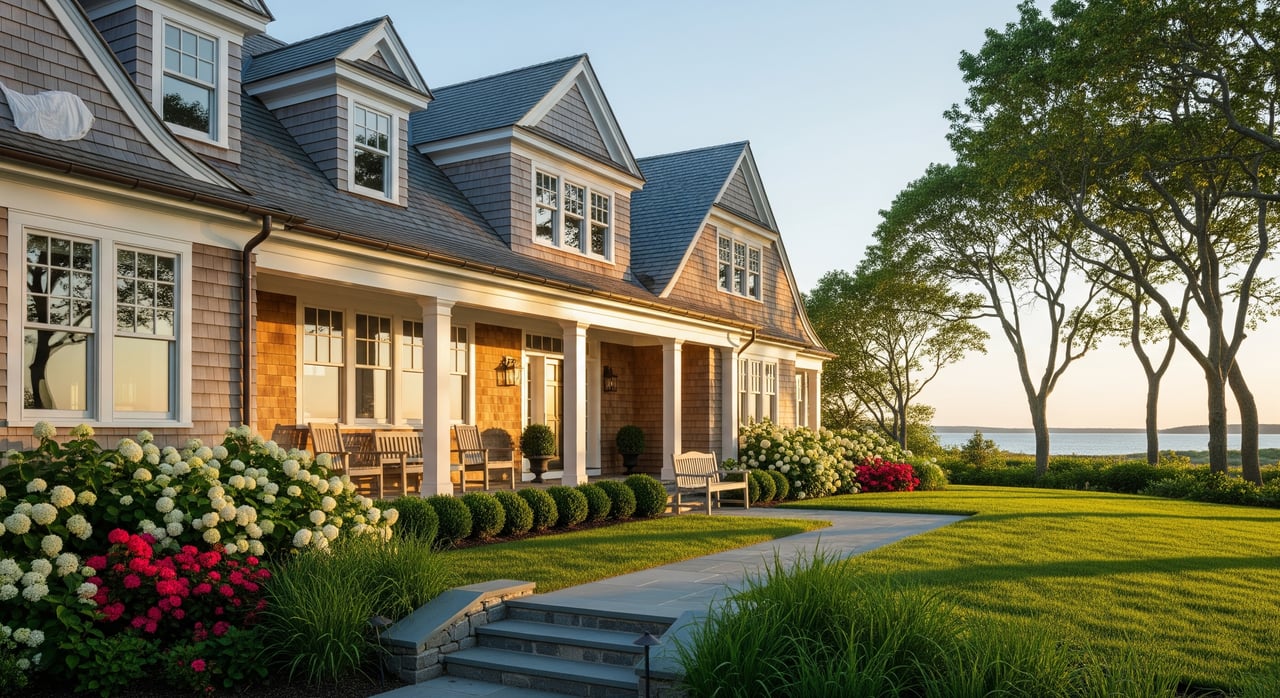
Discover How to Lower Your Energy Bills and Increase Home Comfort
Real Estate
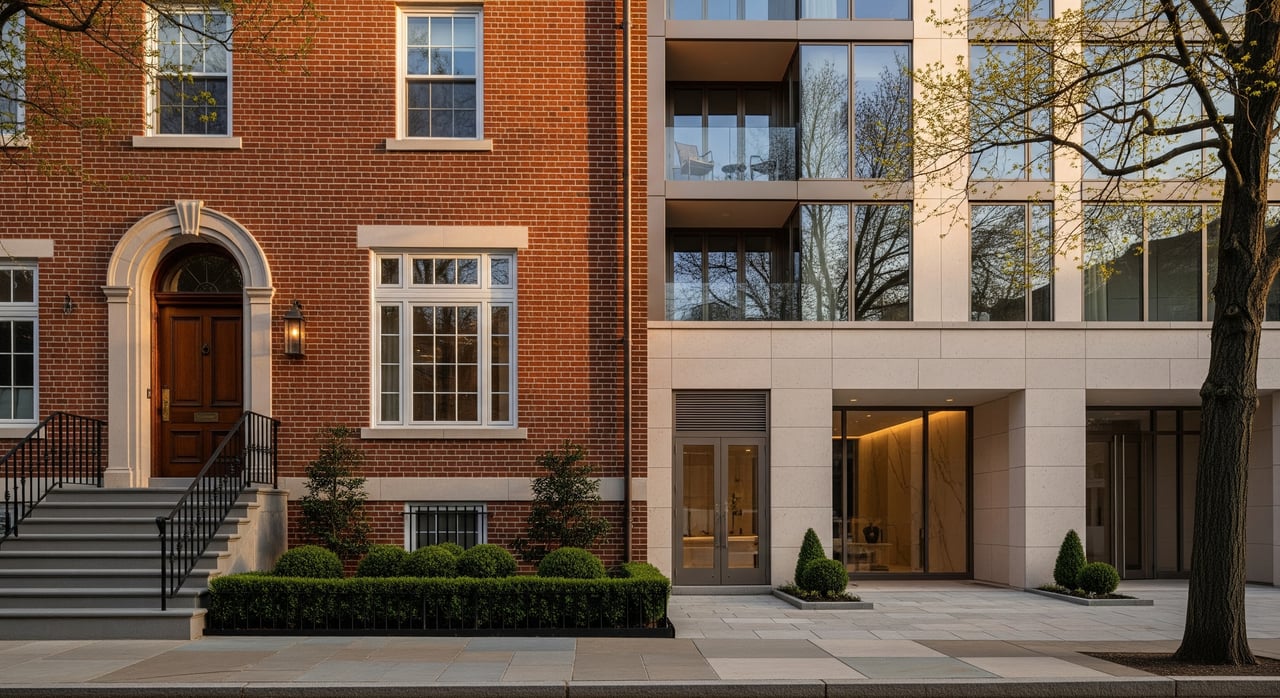
Explore the Essential Smart Technologies for Your Brickell Residence
Crafting Dreams into Reality, One Home at a Time. Marlene is a seasoned real estate professional whose name has become synonymous with excellence and dedication in the dynamic world of property transactions.