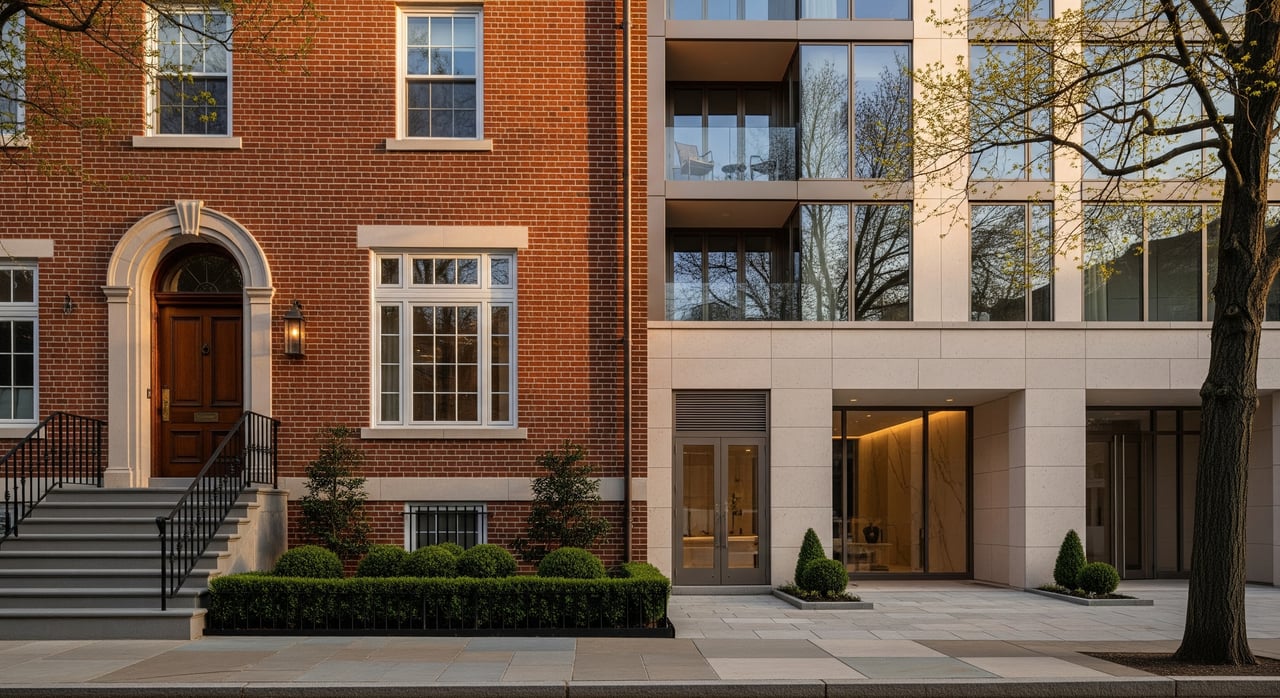
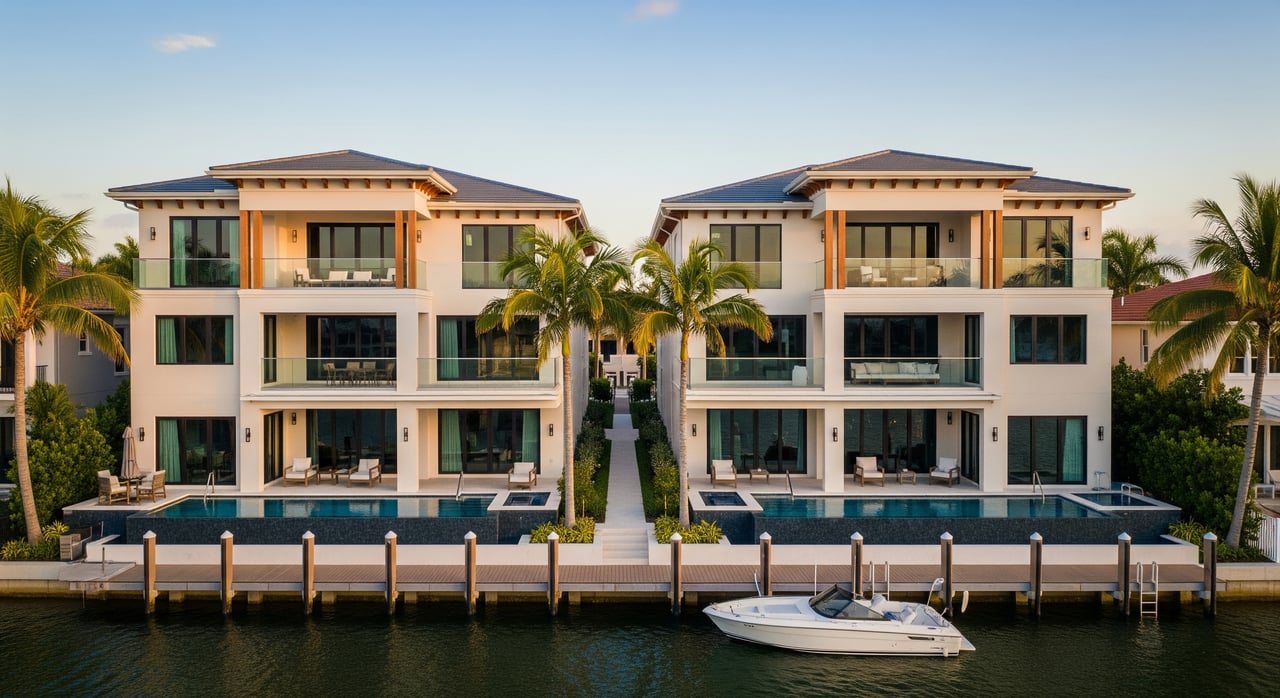
Thinking about a condo or a co-op in Greenwich and not sure which fits your life? If you are relocating from New York City or right-sizing within Fairfield County, this choice will shape your budget, commute, and everyday comfort. The right option depends on how you plan to finance, whether you want flexibility to rent, and how much control a board has over owners and occupants. In this guide, you will learn the practical differences, local Greenwich factors to weigh, and a clear checklist to use before you make an offer. Let’s dive in.
Condo and co-op basics
Condo and co-op buildings can look similar from the street, but the legal structures are very different.
- Condos: You own your individual unit as real property plus a share of the common areas. A condominium association manages shared elements under a declaration and bylaws.
- Co-ops: A cooperative corporation owns the building. You buy shares and receive a proprietary lease for your apartment. A shareholder-elected board runs the corporation under corporate bylaws and house rules.
In a condo, you hold title like other real estate and get your own property tax bill. In a co-op, you are a shareholder and your monthly maintenance typically includes the building’s property taxes and operating costs.
How ownership and boards differ
Both condos and co-ops have boards, but co-op boards usually have more direct control over who can buy and how units are used. That can mean stricter financial standards, interviews, and approval of transfers. Condos follow association rules, yet transfers work more like a single-family sale.
Key documents to review before you offer:
- For condos: Declaration and rules, bylaws, budget, reserve study, association meeting minutes, insurance master policy, certificate of occupancy, and any litigation disclosures.
- For co-ops: Articles of incorporation, corporate bylaws, proprietary lease, house rules, board minutes, audited financials, shareholder ledger, offering plan or memorandum as applicable, and any underlying or blanket mortgage documents.
Always confirm whether a building is a condo or a co-op. Greenwich has many condominiums and fewer co-ops than New York City, but both structures exist in the region.
Financing and approval in Greenwich
Financing and approvals unfold differently for each structure.
- Condos: You use a standard mortgage on your unit. Some loans, including FHA and VA, may require the condo project to meet eligibility standards. Lenders vary, and some will finance non-approved projects with different terms. Timelines often mirror typical residential purchases.
- Co-ops: Lenders make share loans secured by your shares and proprietary lease. Co-op boards usually require a full board package and approval, and many lenders will not fund until you are approved. If the co-op has significant building debt, lenders consider that when underwriting. Expect a longer approval window due to board reviews and interviews.
Resale and marketability differ too. Condos tend to resell like other real estate and are familiar to out-of-state buyers and lenders. Co-ops can have transfer rules and sublet limits that narrow the buyer pool and affect timing.
Subletting and short-term rentals
If you plan to rent your place at any point, building rules are critical.
- Co-ops: Subletting is often restricted. Boards may set minimum ownership periods, cap the share of units that can be rented, and require approval for each tenant. Short-term rentals are commonly not allowed.
- Condos: Rules are usually more flexible, but many associations still require minimum lease terms and registration. Some prohibit short-term rentals entirely.
In Greenwich, town zoning and any transient occupancy standards may also apply. Always confirm current rules with Greenwich planning or zoning offices, and verify the building’s leasing policies in writing before you depend on rental income.
Monthly costs, taxes, and insurance
Condos and co-ops allocate ongoing costs differently.
- Condos: You pay your mortgage, your unit’s property taxes, HOA fees for common area upkeep and insurance, HO-6 interior insurance, and utilities as applicable.
- Co-ops: You pay a monthly maintenance fee that typically includes the building’s property taxes, building insurance, and some utilities depending on the setup. Mortgage interest on a share loan and the tax portion of maintenance may be deductible. Talk with a CPA to understand your situation.
Both condos and co-ops can levy special assessments for capital projects like roof or façade work. Healthy reserves and a current reserve study help reduce the risk of large assessments.
In coastal parts of Greenwich near Long Island Sound, buildings may face added costs for shoreline protection, storm hardening, and flood mitigation. Check whether a property sits in a FEMA flood zone, as flood insurance can be required for mortgages and may affect your budget. Review the master policy, any recent claims, and the association’s deductible.
Greenwich location factors to weigh
Greenwich serves many commuters to New York City. Proximity to Metro-North’s New Haven Line stations and access to I-95 can be a major lifestyle and value driver. Downtown and the dock area put you near shops and trains. Cos Cob, Old Greenwich, and Riverside offer varying proximity to stations and coastal amenities. Mid-country locations provide a more suburban feel.
Consider how location shapes rules and costs:
- Train access and parking: Closer to stations may boost rental demand and convenience, but building leasing rules still control whether you can rent at all. Confirm parking allocations and guest parking rules.
- Coastal exposure: Waterfront or low-lying areas can face higher insurance costs and stricter building requirements. Review flood maps and recent premiums.
- Association culture: Some communities emphasize owner-occupancy and quiet enjoyment. Others allow more leasing activity. Read the rules, minutes, and policies to understand the building’s approach.
Which is right for you
Match your priorities to the structure that fits best:
- You want flexible financing options or lower down payment pathways: A condo often fits better, especially if you plan to explore conventional, FHA, or VA loans subject to project eligibility.
- You prefer tight control over occupants and a majority owner-occupied building: A co-op often delivers more board oversight.
- You might need to sublet or run a second-home strategy with occasional renting: A condo usually offers more leasing flexibility, but always check association bylaws and any town rules.
- You want predictable monthly payments that wrap many costs together: Co-op maintenance often includes property taxes and sometimes utilities.
- You care about future resale to a broad buyer pool: Condos typically enjoy wider financing access and fewer transfer restrictions.
Buyer checklist for Greenwich
Before you make an offer, request and review the following:
- For both condos and co-ops:
- Current year and prior two years of financials and budgets.
- Minutes from the last 12 months of board meetings.
- Reserve study and current reserve balance.
- Disclosure of any litigation or special assessments.
- Insurance certificates, including master policy and deductibles.
- Rules and regulations, subletting and short-term rental policies.
- Assessment history and planned capital projects.
- Property management contacts and agreements.
- Building inspection reports and invoices for recent major work.
- Flood zone status and any flood insurance details if applicable.
- Parking allocations and guest parking policies.
- Additional for condos:
- Declaration and CC&Rs, including rental caps or lease terms.
- FHA and VA project eligibility if you plan to use those programs.
- Additional for co-ops:
- Proprietary lease and offering plan if required.
- Shareholder ledger and corporate tax returns to assess financial health.
- Details on any underlying blanket mortgage or major loans.
- Board application requirements, documentation list, and typical timeline.
- House rules, including pet and renovation policies.
How we support your move
Buying in Greenwich involves more than finding a great unit. You need clear guidance on board rules, reserves, assessments, flood exposure, and commute tradeoffs. You also need a plan for financing and approvals that fits your timeline.
You get a responsive, concierge experience, plus the strength of an established Connecticut team. We help you target the right buildings, review the documents that matter, and coordinate steps with your chosen lender, attorney, and inspector. If you are moving between the New York metro and Florida, you can manage everything with one trusted advisor across both regions.
Ready to compare specific buildings or review a board package? Reach out to Marlene Harrison - FL to start the conversation.
FAQs
What is the main difference between a condo and a co-op in Greenwich?
- In a condo you own real property and a share of common areas, while in a co-op you buy shares in a corporation and receive a proprietary lease for your unit.
How do condo and co-op financing differ in Connecticut?
- Condos use standard mortgages and may require project approval for some loan types, while co-ops use share loans and require board approval that can extend timelines.
Are short-term rentals like Airbnb allowed in Greenwich condos or co-ops?
- Policies vary by building and town rules; many co-ops prohibit short-term rentals and many condos restrict them, so verify current bylaws and Greenwich regulations.
Do co-op maintenance fees include property taxes for the unit?
- Yes, co-op maintenance typically includes the corporation’s property taxes passed through to shareholders, while condo owners pay individual property tax bills.
How long does co-op board approval usually take in Greenwich?
- Timelines vary by building, but co-op purchases often require a longer window due to board package reviews and interviews before closing can be scheduled.
What should I review before making an offer on a condo or co-op in Greenwich?
- Ask for financials, reserves, meeting minutes, insurance, rules on leasing, any assessments or litigation, flood status, parking policies, and the key legal documents for the building type.