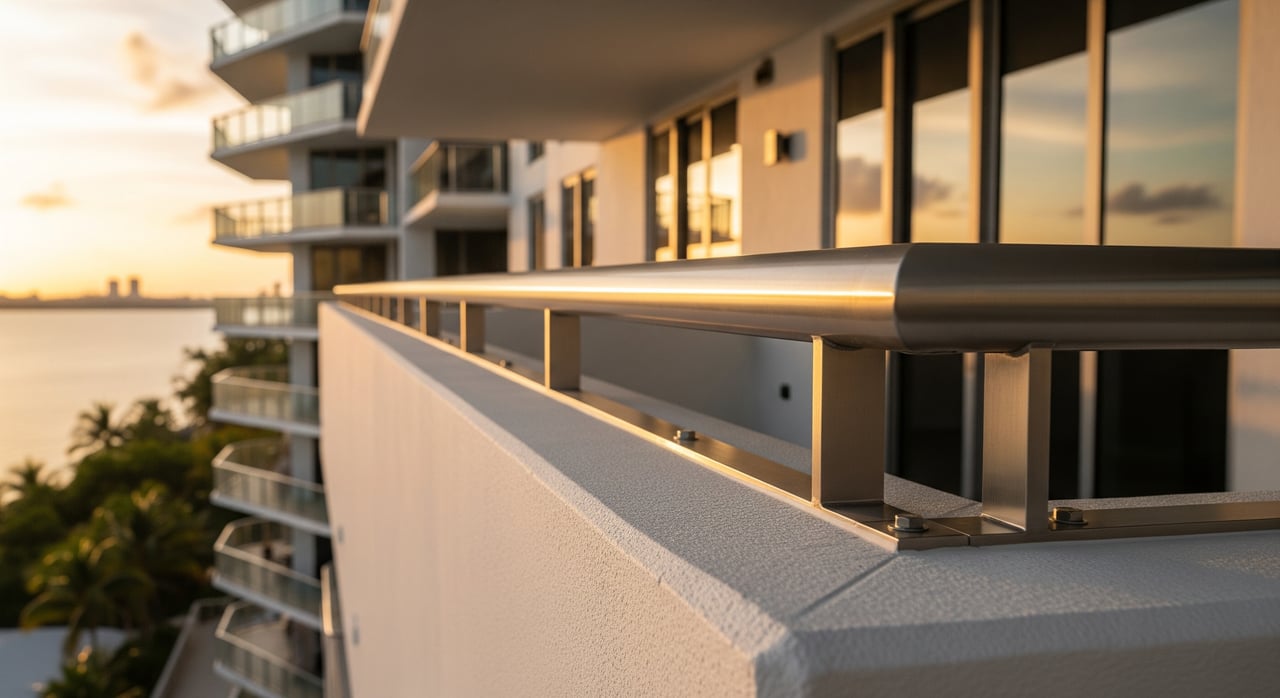
Broward Condo Milestone Inspections for Informed Buyers
December 4, 2025
December 4, 2025
Are you eyeing a condo in Fort Lauderdale or thinking about selling your unit? You have likely heard about Florida’s new “milestone inspections.” These inspections are reshaping how buyers, sellers, and associations plan for condo ownership in Broward County. In this guide, you will learn what milestone inspections are, how they affect pricing and financing, and the exact documents and questions that help you make a smart decision. Let’s dive in.
Florida adopted mandatory structural inspections for many condominium buildings after the 2021 Surfside tragedy. Associations must arrange an initial milestone inspection once a building reaches a set age threshold, which can vary by coastal proximity. After that, buildings are typically re-inspected on a recurring schedule, often every 10 years.
These inspections are completed by a licensed engineer or architect. The final report identifies structural and life-safety concerns and recommends repair timelines. Associations are expected to share these reports with unit owners, and buyers can request them during due diligence.
In Broward County and the City of Fort Lauderdale, many mid to high-rise condos are within coastal proximity, so they often face earlier inspection timelines. If you are considering a building that is approaching or past the milestone age, plan on inspection reports being part of your review.
Local permitting and recertification steps may also apply. Broward County and Fort Lauderdale building departments oversee permits for major repairs and can require follow-up inspections before work is considered complete. Your association should be prepared to show permit records for any structural work tied to a milestone report.
A milestone inspection is usually visual and nondestructive. Engineers and architects review primary structural elements such as foundations, columns, beams, slabs, exterior walls, balconies, parking structures, roofs, and waterproofing. If they see signs of distress, they may recommend more invasive testing like core samples or materials analysis.
The report documents observed conditions, categorizes severity, and lists recommended actions and timelines. It will note any immediate safety issues and whether temporary closures or protective measures are recommended. The report often becomes the basis for updated budgets, reserve contributions, and repair plans.
A structural reserve study estimates the remaining useful life and replacement cost of major components and recommends how much the association should contribute to reserves each year. When an inspection uncovers deficiencies, the reserve study is often updated to reflect new timelines and costs.
If repairs are significant, associations may fund them through existing reserves, increased regular assessments, or special assessments approved under condo documents and Florida law. Buyers should factor these costs into ownership plans, and sellers should be ready to discuss how their association is funding required work.
Inspection findings can influence loan approval, interest in the building, and closing timelines. Lenders may request documentation on repairs, funding sources, and the status of any assessments. If the report points to large upcoming projects, you can negotiate price reductions, credits, or escrow holdbacks tied to repair milestones.
Be transparent and organized. Provide the latest milestone inspection, reserve study, board minutes that discuss repairs, and any assessment notices. You can help buyers feel confident by showing a clear plan, including contractor bids, permit status, and projected timelines. Address urgent safety items when possible before listing.
Associations with unresolved structural issues or very low reserves may face tighter lender and insurer scrutiny. Master insurance policies, deductibles, and excluded perils also matter because they can affect whether owners face supplemental assessments after a loss.
Use this checklist before you make an offer or accept one:
Seller-specific questions:
Questions for your agent:
You can often confirm whether repairs have been permitted and inspected by checking Broward County Building Code Services and the City of Fort Lauderdale Building Services. Permit portals typically allow searches by address or parcel number. Look for permit issuance, contractor details, inspection results, and final signoffs that match the scope in the engineer’s report.
For current legal details and timelines, verify with Florida’s Department of Business and Professional Regulation guidance and the Florida Condominium Act. Local building departments can explain permit requirements for structural work identified in milestone reports.
For buyers:
For sellers and boards:
For everyone:
If you are buying, build your offer around documents, timelines, and funding clarity. If you are selling, get ahead of questions by gathering reports and showing a credible plan for repairs and reserves. In either case, consider consulting a licensed engineer for technical insights and a real estate attorney for questions about assessments, contracts, and voting.
Ready to talk through a specific Broward condo or a building you manage? Reach out to Marlene Harrison - FL for clear guidance, local insight, and a plan that fits your goals.
Stay up to date on the latest real estate trends.



Real Estate
Discover How to Lower Your Energy Bills and Increase Home Comfort


Real Estate
Explore the Essential Smart Technologies for Your Brickell Residence

Lifestyle
Discover Must-See Attractions and Hidden Gems in Fairfield County
Crafting Dreams into Reality, One Home at a Time. Marlene is a seasoned real estate professional whose name has become synonymous with excellence and dedication in the dynamic world of property transactions.